

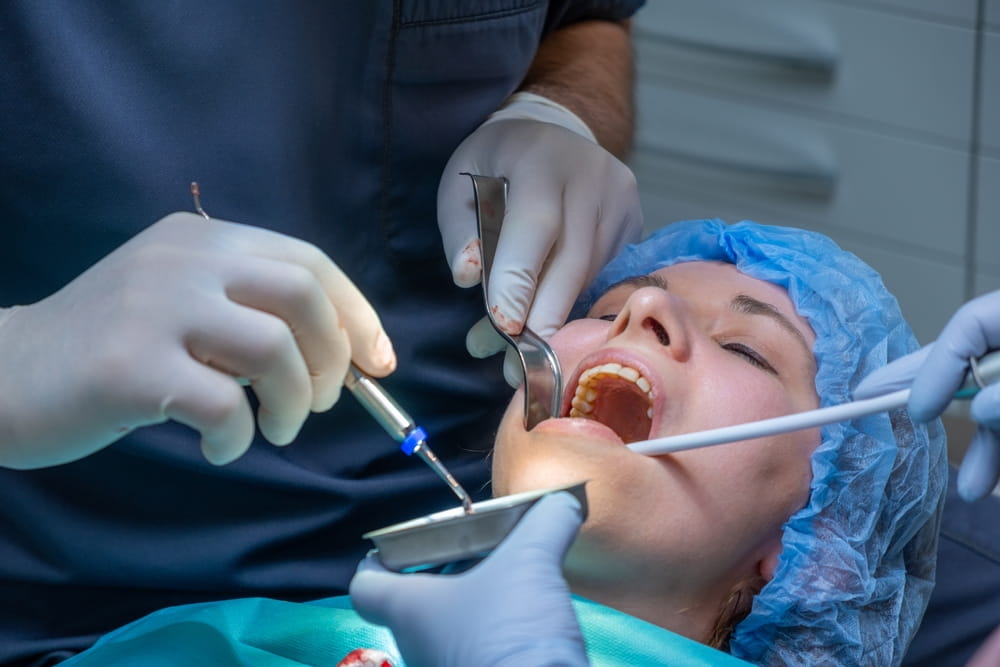
Dental implants have become the gold standard for replacing missing teeth due to their durability and natural function. However, successful implantation relies on having sufficient jawbone structure to support the implant. Bone loss can occur due to tooth extraction, periodontal disease, trauma, or long-term tooth absence, compromising the stability of implants. Patients in Holmdel, NJ, considering dental implants benefit from understanding how bone grafting lays the foundation for predictable and long-lasting results at Holmdel Periodontics & Implant Dentistry.
Bone grafting restores the volume and density of the jawbone, creating a stable base for dental implants. The procedure involves placing graft material—often derived from synthetic, donor, or autogenous sources—into areas with bone deficiency. Over time, the graft integrates with the patient’s natural bone, regenerating a strong foundation capable of supporting dental implants. Without adequate bone, implants may fail to osseointegrate properly, leading to instability, implant failure, or aesthetic concerns.
Bone grafting is not only functional but also essential for maintaining facial structure. Loss of bone can lead to a sunken or aged appearance around the mouth. By rebuilding the jaw, patients can preserve their natural facial contours while preparing for restorative procedures such as Dental Implants or All-on-4 Dental Implants, ensuring both health and aesthetics are optimized.
Types of Bone Grafting Procedures
There are several approaches to bone grafting, each tailored to the patient’s specific needs. Traditional Bone (Hard Tissue) Grafting is often used when substantial bone reconstruction is necessary. The procedure involves placing graft material in areas of significant deficiency to restore vertical or horizontal bone volume.
For patients requiring a more precise approach, S.M.A.R.T. Bone Grafting is an advanced technique designed to reduce trauma and accelerate healing. This minimally invasive method allows clinicians to sculpt and augment bone with greater accuracy, improving outcomes for future implant placement. Both approaches provide the structural support necessary to prevent implant complications and ensure the implant integrates seamlessly with the jawbone.
Bone grafting can also be combined with other procedures to enhance overall oral health. For example, patients undergoing Tooth Extractions may receive grafting at the same time to preserve bone height and width, reducing the need for additional surgeries later. This proactive approach helps maintain the integrity of the jaw and prepares the site for a successful dental implant.
Bone Grafting and Implant Success
The success of dental implants is directly tied to the quality and quantity of surrounding bone. Without a solid foundation, implants are more prone to failure due to improper osseointegration, infection, or mechanical instability. Bone grafting ensures that implants are anchored securely, distributing biting forces evenly and promoting long-term functionality.
In cases where patients have experienced severe bone loss, grafting combined with procedures like LAPIP® Laser Procedure or LANAP® Laser Gum Treatment can optimize the surrounding tissue and bone for implant placement. This synergy between bone augmentation and tissue management increases the likelihood of predictable, aesthetically pleasing results, allowing patients to regain full oral function.
Benefits Beyond Implant Support
Beyond providing a stable base for implants, bone grafting offers several additional benefits. It prevents further bone resorption, supports gum health, and helps maintain the natural shape of the jawline. Patients with significant bone loss may also see improved oral hygiene outcomes, as reconstructed bone provides proper contours for brushing and flossing.
For patients concerned about invasiveness or recovery, minimally invasive techniques such as S.M.A.R.T. Bone Grafting or combined grafting with sedation options like Sedation Dentistry can make the process more comfortable. This allows patients to focus on long-term oral health and enjoy the benefits of strong, stable dental implants without unnecessary discomfort or prolonged healing periods.
Conclusion
Bone grafting plays a pivotal role in the success of dental implants, providing the foundation necessary for long-term stability, function, and aesthetics. Patients in Holmdel, NJ, working with Holmdel Periodontics & Implant Dentistry benefit from understanding the importance of bone health in implant dentistry. With the right grafting procedures, patients can restore jawbone integrity, improve facial structure, and enjoy reliable, lasting results from their dental implants.
Resources:
- Misch, C. E. (2014). Contemporary Implant Dentistry. Elsevier Health Sciences.
- Wang, H.-L., & Boyapati, L. (2006). “The PASS Principles for Predictable Bone Regeneration.” Implant Dentistry.
- Buser, D., et al. (2012). “Optimizing Esthetics for Implant Restorations in the Anterior Maxilla: Bone Grafting Considerations.” International Journal of Periodontics & Restorative Dentistry.