

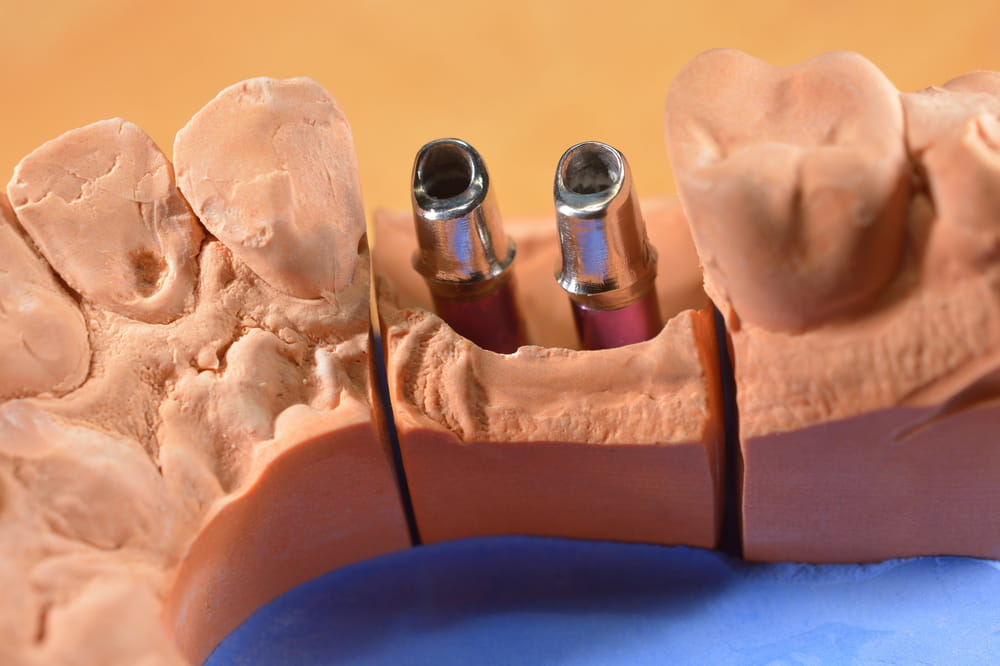
At Holmdel Periodontics & Implant Dentistry in Holmdel, NJ, many patients are surprised to learn that dental implant treatment can be highly personalized. While implants are designed to replace missing teeth, the process is not limited to a single approach. Modern planning tools, materials, and restorative options allow treatment to be tailored to each person’s oral health, anatomy, and cosmetic goals.
Dental implants are made to function like natural tooth roots, but every smile has different needs. Some patients need to replace one tooth, while others may need support for several teeth or a full arch. Bone levels, gum contours, bite alignment, and the location of the missing tooth all influence the final treatment plan. Personalization helps create a result that looks natural, feels comfortable, and performs reliably.
Personalized Planning Before Implant Placement
The customization process begins long before the implant is placed. A thorough evaluation often includes digital imaging, bite analysis, and a review of medical and dental history. These steps help determine the ideal implant position, size, and number of implants needed for long-term success.
Bone quality is another important factor. If the jawbone has thinned after tooth loss, additional preparation such as bone grafting may be recommended. Some patients may benefit from advanced techniques like S.M.A.R.T. Bone Grafting to rebuild support before implant placement. Careful planning creates a stronger foundation and can improve the final appearance of the restoration.
Options for Restoring Your Smile
Once the implant has integrated with the bone, the visible replacement tooth or teeth can also be customized. The crown, bridge, or denture attached to the implant is designed to blend with surrounding teeth in shape, shade, and proportion. This attention to detail helps the restoration look natural when speaking or smiling.
Common personalization options may include:
- Single crowns for one missing tooth
- Implant bridges for multiple missing teeth
- Full-arch solutions such as All-on-4 Dental Implants
- Tooth shade matching for a natural appearance
- Contoured restorations for bite comfort
- Materials selected for durability and aesthetics
These choices allow treatment to reflect both functional needs and personal preferences.
Gum Appearance and Smile Design Considerations
Healthy gums frame the teeth and strongly influence how an implant restoration looks. In some cases, gum shaping or soft tissue procedures may be recommended to improve symmetry and create a more balanced smile. This can be especially helpful when replacing front teeth where cosmetic details are more noticeable.
Patients with gum recession or uneven tissue levels may explore options such as gum recession & gum shaping or Pinhole® Gum Rejuvenation. These treatments can help refine the gumline and support a more natural-looking final result.
Long-Term Comfort and Confidence
Customization is about more than appearance. A properly planned implant restoration should also feel stable, allow comfortable chewing, and fit naturally into daily life. Small adjustments in bite alignment, restoration shape, and tissue contours can make a significant difference in long-term comfort.
Holmdel Periodontics & Implant Dentistry encourages patients in Holmdel, NJ to ask questions and understand their options. Personalized dental implant treatment can help create results that suit the individual, not just the missing tooth. When treatment is customized from the start, patients often enjoy a smile that looks natural and functions with confidence.
Resources
Misch, C. E. (2008). Contemporary Implant Dentistry. Mosby Elsevier.
Buser, D., Sennerby, L., & De Bruyn, H. (2017). Modern implant dentistry based on osseointegration. Periodontology 2000.
Pjetursson, B. E., & Zwahlen, M. (2008). A systematic review of the survival and complication rates of implant-supported restorations. Clinical Oral Implants Research.