

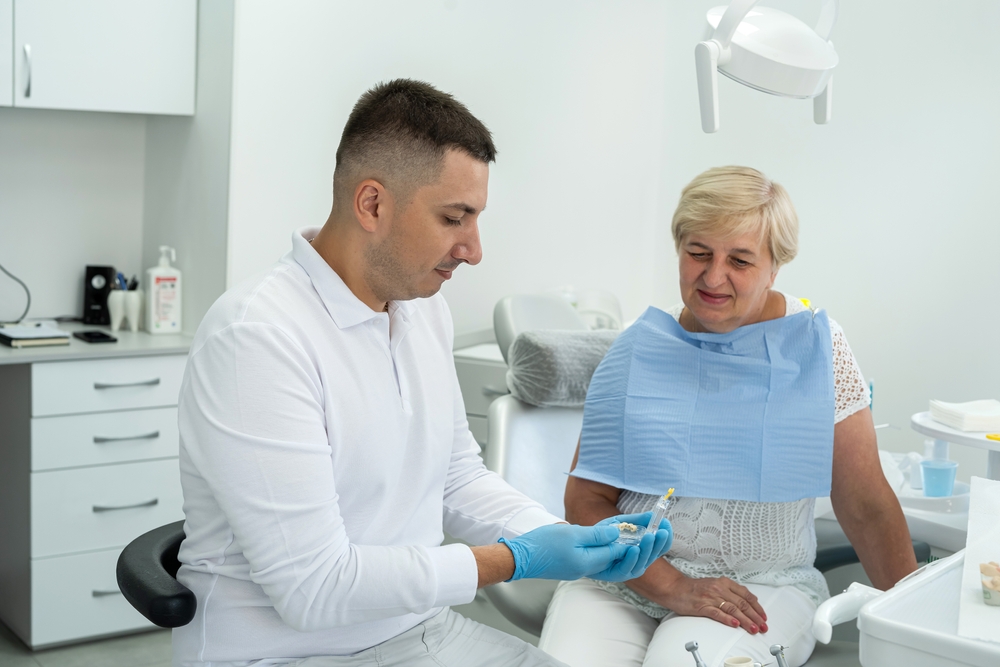
Dental implants are a common solution for replacing missing teeth, providing long-term stability and natural function. Patients visiting Holmdel Periodontics & Implant Dentistry in Holmdel, NJ, often ask what to expect during the recovery period after implant surgery. Understanding the recovery process can help patients feel more confident and prepared for the days and weeks following their procedure. While every individual heals differently, there are common patterns and milestones that most people experience after dental implant placement.
Initial Recovery and First 24 Hours
The first 24 hours following dental implant surgery are often the most critical for controlling swelling, discomfort, and bleeding. Patients can expect some minor bleeding at the surgical site, which typically subsides within a few hours. Applying gentle pressure with gauze, resting, and avoiding strenuous activity can help minimize complications. Swelling and bruising around the implant area may also develop during this time and usually peak within 48 hours. Cold compresses applied to the outside of the face in 15-minute intervals can help reduce swelling and provide comfort.
Pain management is an important part of the initial recovery. Over-the-counter pain medications or those prescribed by a dentist can effectively control discomfort. It is normal for mild soreness to persist for several days, particularly around the gum tissue where the implant was placed. Eating soft foods and avoiding hot beverages can prevent irritation and protect the surgical site. Patients are also advised to avoid smoking or drinking alcohol, as both can negatively impact healing during the first 24 hours.
Managing Healing Over the First Week
The first week after dental implant surgery is focused on allowing the body to initiate the healing process. The gums around the implant will gradually start to close and adapt to the new implant structure. Patients may notice some stiffness or tenderness in the jaw, especially when chewing or opening the mouth widely. Maintaining good oral hygiene is essential during this phase, but care should be taken not to disturb the implant site. Gentle rinsing with a saltwater solution or a dentist-recommended mouthwash can help reduce the risk of infection.
During this week, dietary adjustments are also important. Soft foods such as yogurt, mashed potatoes, scrambled eggs, and smoothies are recommended, while hard, crunchy, or sticky foods should be avoided to prevent pressure on the implant. Patients may also be instructed to avoid using straws or spitting forcefully, as these actions can disrupt initial blood clot formation and slow healing. For many individuals, minor swelling and bruising begin to decrease after the first few days, signaling that the body is progressing well in the recovery process.
Long-Term Healing and Osseointegration
One of the most important aspects of dental implant recovery is osseointegration, the process by which the implant fuses with the jawbone. This process typically takes several months and is critical for the long-term stability of the implant. During this period, patients may notice that the implant site feels firm and gradually becomes integrated with the surrounding bone. Some minor sensitivity may persist as the bone adapts to the implant, but significant pain or discomfort is uncommon if proper post-operative care is followed.
Patients should also be aware that follow-up visits are essential for monitoring healing and ensuring the implant is successfully integrating. Regular check-ups allow dental professionals to detect any early signs of complications, such as infection or implant loosening, and address them promptly. Maintaining excellent oral hygiene, avoiding smoking, and following dietary and activity recommendations all contribute to a successful osseointegration process and a durable, long-lasting implant.
Tips for a Smooth Recovery
While recovery timelines can vary, there are several practical steps patients can take to support healing after dental implant surgery:
- Stick to soft foods and avoid chewing near the surgical site
- Take medications as prescribed and manage pain effectively
- Apply ice to reduce swelling during the first 48 hours
- Rinse gently with saltwater or approved mouthwash
- Avoid smoking, alcohol, and strenuous activities
By following these guidelines, patients can minimize discomfort, reduce the risk of complications, and promote faster recovery.
Conclusion
Recovery after dental implant surgery involves several stages, from managing initial discomfort to supporting long-term osseointegration. Patients of Holmdel Periodontics & Implant Dentistry in Holmdel, NJ, can expect some swelling, tenderness, and dietary adjustments during the first week, followed by gradual healing over several months. Understanding what to expect during each phase of recovery can help patients approach the process with confidence and ensure the best possible outcomes for their dental implants.
Resources
- Misch, C. E. (2014). Contemporary Implant Dentistry. Elsevier Health Sciences.
- Buser, D., et al. (2012). Surgical Principles for Dental Implants. Quintessence Publishing.
- Esposito, M., et al. (2010). Interventions for Replacing Missing Teeth: Dental Implants. Cochrane Database of Systematic Reviews.