

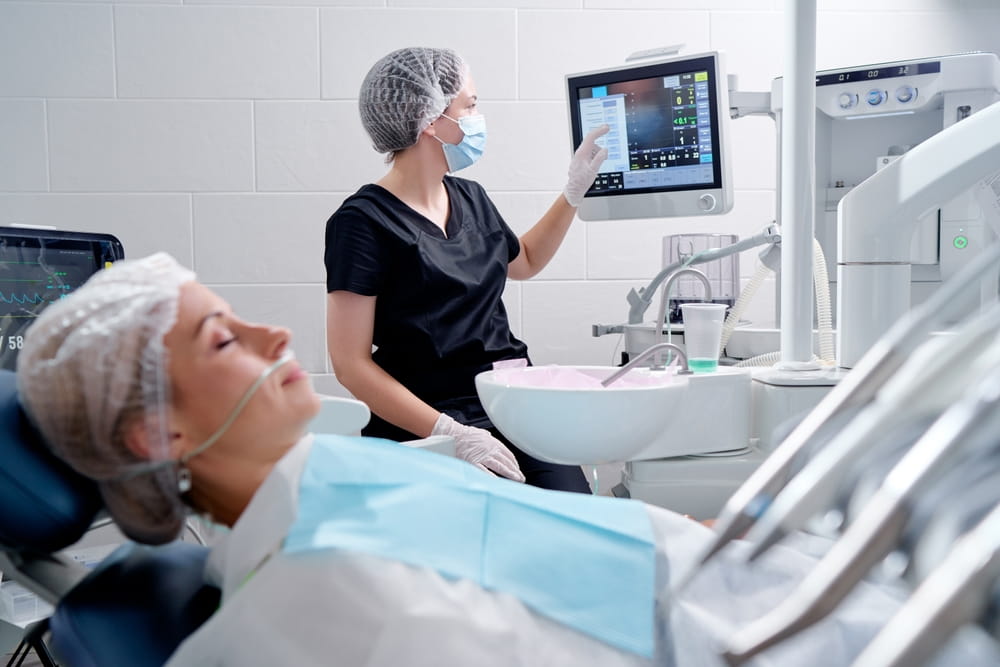
Dental anxiety can make even a routine appointment feel overwhelming. Some people become nervous because of a previous unpleasant experience, while others worry about discomfort, needles, dental sounds, loss of control, or simply not knowing what to expect. Holmdel Periodontics & Implant Dentistry in Holmdel, NJ, encourages patients to understand that dental anxiety is common and can often be managed through communication, individualized planning, and, when appropriate, sedation dentistry.
Understanding Why Dental Anxiety Matters
Dental anxiety can range from mild nervousness before an appointment to intense fear that causes a person to postpone treatment altogether. According to the National Institute of Dental and Craniofacial Research, fear severe enough to cause dental avoidance can contribute to greater tooth decay and an increased likelihood of poor oral health. Anxiety may be connected to specific triggers such as injections, instruments, drilling sounds, gagging, concerns about diagnosis, or embarrassment about oral health.
Avoiding appointments can create a difficult cycle. A relatively minor problem may become more complicated when treatment is delayed, potentially making a future appointment longer or more involved. Communicating concerns before treatment gives the dental team an opportunity to identify triggers and discuss strategies that may make the experience more manageable.
How Sedation Can Make Dental Care More Manageable
Dental sedation uses medications or inhaled agents to reduce anxiety and promote relaxation. Sedation exists at different levels, ranging from minimal sedation, in which a patient remains normally responsive to verbal commands, to deeper forms of sedation that produce greater changes in awareness and responsiveness. The appropriate level depends on factors such as the patient’s health, anxiety level, planned procedure, medications, and individual needs.
Sedation and local anesthesia also serve different purposes. Sedative techniques primarily help control fear and anxiety, while local anesthetics are used to control pain in a specific treatment area. Depending on the procedure, they may be used together to address both comfort and anxiety.
Exploring Common Sedation Options
Nitrous oxide and oxygen is one well-known option for managing dental anxiety. The mixture is inhaled through a small mask placed over the nose, and its effects begin relatively quickly. The American Dental Association describes properly administered nitrous oxide-oxygen as a safe and effective method for managing pain and anxiety in dentistry. It is also eliminated rapidly through the lungs.
Other approaches may include oral medications or intravenous sedation, depending on the patient’s needs and the type of dental treatment being performed. Sedation should always be selected based on an appropriate health assessment and administered with the monitoring and safety precautions required for that level of sedation. Current ADA guidelines outline different standards for minimal, moderate, and deep sedation as well as general anesthesia.
Preparing Safely for Sedation Dentistry
Before receiving sedation, patients should provide a complete medical history and discuss prescription medications, over-the-counter medicines, supplements, allergies, previous reactions to anesthesia or sedation, and relevant medical conditions. Depending on the type of sedation planned, specific instructions regarding eating, drinking, medications, transportation, and recovery may also be provided.
Following these instructions is an important part of patient safety. Patients should also ask what level of sedation is being recommended, what they are likely to experience, how they will be monitored, and whether they will need someone to drive them home. Updated ADA sedation guidelines emphasize patient evaluation, appropriate monitoring, documentation, and safety procedures when sedation is used.
Taking a More Comfortable Approach to Dental Care
Managing dental anxiety begins with acknowledging it rather than allowing fear to prevent necessary care. Patients can tell their dental team what makes them nervous, ask for explanations before procedures begin, establish signals for taking breaks, and discuss whether sedation or other anxiety-management techniques may be appropriate. Not every nervous patient needs sedation, and the best approach should reflect the individual’s concerns and medical circumstances.
For patients in Holmdel, NJ, learning about anxiety management can make dental appointments feel more predictable and approachable. Dr. Wayne Aldredge and Holmdel Periodontics & Implant Dentistry can serve as an educational resource for understanding sedation, periodontal care, dental implants, and strategies for maintaining oral health. Addressing dental anxiety early can help patients feel more confident about receiving the preventive and restorative care needed for long-term oral health.
Resources
American Dental Association. (2025). Guidelines for the Use of Sedation and General Anesthesia by Dentists. American Dental Association.
American Dental Association. (2026). Anesthesia and Sedation. ADA Oral Health Topics.
National Institute of Dental and Craniofacial Research. (2019). Summary of NIDCR Workshop on Addressing Dental Fear and Anxiety: Steps Toward Accelerating Progress and Building a Cumulative Science. National Institutes of Health.