

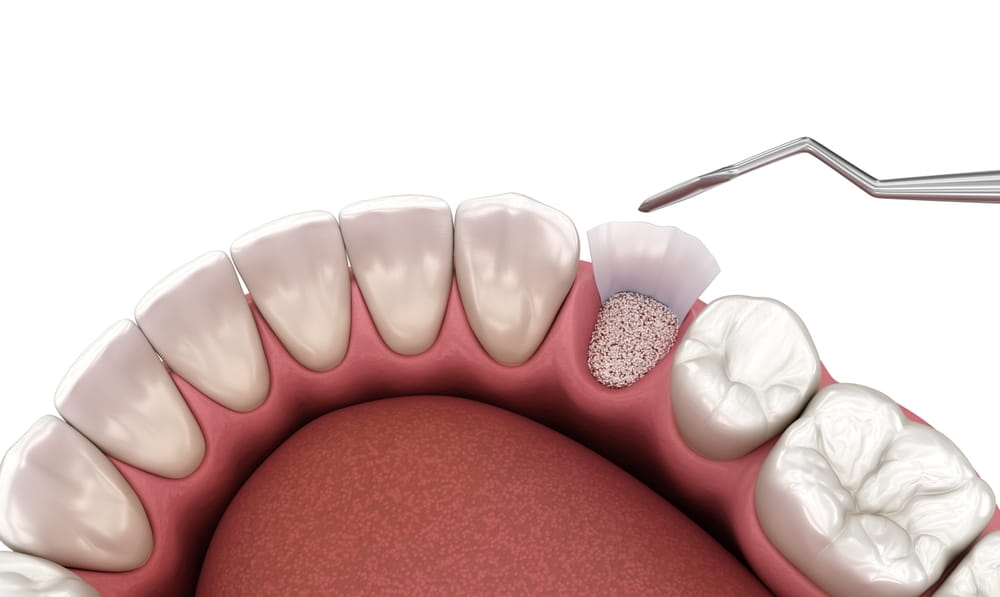
Bone loss in the jaw can affect your oral health, smile, and ability to receive dental implants. At Holmdel Periodontics & Implant Dentistry in Holmdel, NJ, Dr. Wayne Aldredge highlights advanced techniques like S.M.A.R.T. bone grafting, which offer a less invasive alternative to traditional grafting procedures. Understanding how S.M.A.R.T. bone grafting works, what to expect before and after the procedure, and how it supports long-term oral health can help patients feel confident in their treatment plan.
Before the Procedure
Preparing for S.M.A.R.T. Bone Grafting
Preparation begins with a thorough evaluation of your oral health. Imaging tests, such as 3D scans, assess the quality and quantity of your jawbone. This step ensures that the grafting procedure will be tailored to your specific needs. Patients may also need gum disease treatment prior to grafting, as inflamed or infected gums can interfere with bone regeneration. Discussing medical history, medications, and any concerns about sedation is also critical, as some patients may benefit from sedation dentistry for comfort during the procedure.
Mental and Physical Preparation
Being physically prepared can improve healing outcomes. Patients are advised to avoid smoking, maintain a balanced diet, and stay hydrated. It’s helpful to arrange for time off work or support at home, as mild swelling and discomfort are common after the procedure. Having soft foods and ice packs ready can make post-operative care easier and more comfortable.
During the Procedure
What Makes S.M.A.R.T. Bone Grafting Different
S.M.A.R.T. (Socket Matrix and Regeneration Technique) bone grafting is designed to be minimally invasive compared to traditional bone grafting. Instead of large incisions, small entry points allow for precise placement of bone graft material. This reduces trauma to surrounding tissue, leading to less swelling, faster recovery, and often less post-operative pain. The graft material supports natural bone regeneration, making it ideal for patients preparing for dental implants or All-on-4 dental implants in the future.
Comfort and Safety Measures
Local anesthesia is used to numb the area, and sedation may be offered for patient comfort. Throughout the procedure, your dentist carefully monitors the site to ensure precision and safety. The minimally invasive nature of S.M.A.R.T. grafting allows for a smoother experience, fewer complications, and better preservation of existing bone and gum tissue.
After the Procedure
Immediate Recovery
Recovery after S.M.A.R.T. bone grafting is generally more comfortable than with traditional grafts, but proper care is still essential. Patients should rest, apply ice packs to manage swelling, and follow instructions on oral hygiene to prevent infection. Soft foods and adequate hydration support healing, while avoiding straws, smoking, or vigorous rinsing protects the graft site.
Long-Term Healing and Benefits
Over several months, the graft material integrates with natural bone, creating a solid foundation for future dental implants or other restorative procedures. Follow-up visits allow your dentist to monitor bone growth and ensure optimal results. Maintaining good oral hygiene, attending regular dental checkups, and addressing any gum issues early can further support long-term success, especially when procedures like LANAP® laser gum treatment are incorporated into overall care.
Conclusion
S.M.A.R.T. bone grafting offers patients in Holmdel, NJ, a less invasive, more comfortable way to rebuild jawbone and support restorative dental procedures. At Holmdel Periodontics & Implant Dentistry, Dr. Wayne Aldredge emphasizes careful planning, precise execution, and diligent aftercare to ensure the best outcomes. Understanding each step—from preparation to healing—can help patients feel informed, confident, and ready to enjoy the benefits of a stronger, healthier jaw and a restored smile.
Resources:
- Wang, H. L., & Boyapati, L. (2006). “Bone Grafting Techniques in Implant Dentistry.” Journal of Periodontology.
- Misch, C. E. (2014). Contemporary Implant Dentistry. 3rd Edition.
- Preshaw, P. M., & Heasman, P. (2016). Periodontal Considerations in Oral Surgery. Journal of Clinical Periodontology.