

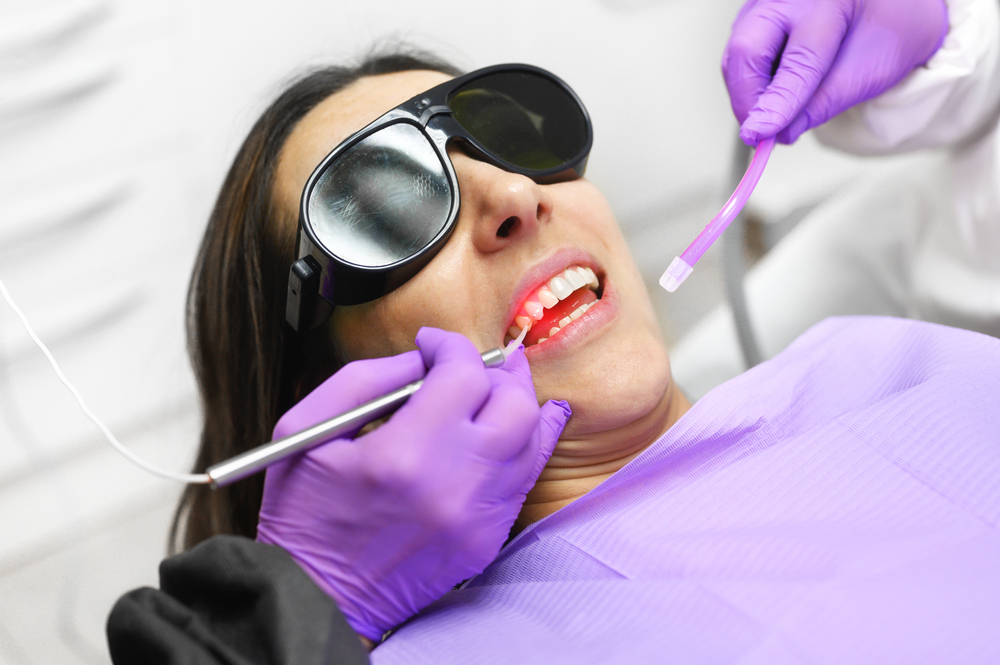
The field of dentistry is rapidly evolving, with new technologies designed to make procedures more effective, comfortable, and efficient for patients. One of the most impactful advancements in recent years has been the use of laser technology in dental treatments. From reducing pain and swelling to promoting faster healing, laser dentistry is changing how patients experience dental care. For individuals in Holmdel, NJ, especially those familiar with Holmdel Periodontics & Implant Dentistry and the care of Dr. Wayne Aldredge, understanding how laser dentistry works can offer valuable insight into the future of oral health and recovery.
Understanding Laser Dentistry
Laser dentistry involves the use of focused light energy to perform a variety of dental procedures on both hard and soft tissues. Lasers can be used to cut, shape, or remove tissue, and are often employed in procedures such as gum reshaping, cavity treatment, root canal therapy, and oral lesion removal. The key advantage of laser technology lies in its precision. Unlike traditional tools such as scalpels or drills, lasers allow for highly targeted treatment with minimal impact on surrounding tissues.
There are two main types of lasers used in dentistry: hard tissue lasers and soft tissue lasers. Hard tissue lasers are typically used for procedures involving teeth, like removing decay or preparing enamel for fillings. Soft tissue lasers, on the other hand, are ideal for treating gums and other oral soft tissues, such as for gum contouring or treating periodontal disease. Each type of laser operates at a different wavelength, making them suitable for specific types of procedures and allowing dentists to tailor their approach to the individual needs of each patient.
How Laser Dentistry Promotes Faster Healing
One of the most remarkable benefits of laser dentistry is its ability to accelerate the body’s natural healing process. Traditional dental procedures can often involve significant trauma to the gums and surrounding tissues, which results in swelling, bleeding, and extended recovery times. Laser treatments reduce this trauma by providing a cleaner, more controlled incision and immediate cauterization of blood vessels. This leads to less postoperative bleeding and inflammation, both of which contribute to faster healing.
Lasers also sterilize the area as they work, significantly reducing the risk of infection—a common cause of delayed healing. Because of the reduced need for sutures or stitches, patients are often able to recover more quickly and with fewer complications. Additionally, the energy from the laser can stimulate cellular activity and collagen formation, which supports the regeneration of healthy tissue. These factors together help patients return to their normal routines sooner than with conventional treatments.
Comfort and Reduced Pain During Recovery
Another important benefit of laser dentistry is the increased comfort it offers patients during and after procedures. Many patients experience anxiety about dental visits because of the noise and sensation associated with traditional drills and scalpels. Laser tools operate quietly and cause less vibration, which can significantly reduce stress during the procedure itself.
Moreover, because lasers cause less damage to tissues and nerves, they generally lead to less pain after treatment. In many cases, patients require less anesthesia or pain medication following a laser procedure. The decreased need for medication not only lowers the risk of side effects but also contributes to a more pleasant recovery experience. This is particularly advantageous for patients undergoing gum surgery or other soft tissue treatments, where post-procedure discomfort can traditionally be more severe.
Reduced Risk of Infection and Complications
A major concern following any dental surgery is the risk of infection. The mouth naturally harbors a wide range of bacteria, making it a potentially high-risk environment for post-surgical complications. Laser dentistry helps mitigate this risk by sterilizing the treatment area as it works, effectively destroying bacteria on contact. This antimicrobial action significantly lowers the chances of infection and supports a cleaner healing environment.
Additionally, the precision of laser technology minimizes the need to cut into healthy tissue, which means the body has less to repair and is less vulnerable to complications. This precision also reduces the incidence of post-operative issues such as excessive bleeding, swelling, or prolonged soreness. For individuals with underlying health conditions or compromised immune systems, these benefits can be especially important, as they reduce the strain placed on the body during recovery.
Common Procedures That Benefit from Laser Healing
Many common dental treatments can benefit from the advantages of laser healing. These include both surgical and non-surgical procedures, ranging from cosmetic enhancements to treatment of chronic conditions. Some examples include:
- Gum disease treatment: Lasers can be used to remove infected tissue and kill bacteria deep in the gum pockets, encouraging faster healing and reducing gum inflammation.
- Canker sore and cold sore treatment: Laser therapy can reduce pain and speed up the healing process of these painful oral lesions.
- Frenectomy and tongue-tie release: Lasers offer a minimally invasive way to correct tongue-tie or lip-tie in children and adults, with less trauma and quicker recovery.
- Cavity treatment: Hard tissue lasers can remove decay and prepare the tooth for a filling without the need for drilling.
- Gum contouring and reshaping: Cosmetic procedures that involve sculpting the gumline can be done with lasers for a quicker and more comfortable healing process.
Each of these procedures highlights how laser technology is not just a modern alternative, but often a superior option in terms of recovery and patient experience.
The Science Behind Laser-Assisted Healing
The biological processes involved in healing are complex, involving inflammation, cell regeneration, and tissue remodeling. Laser technology positively influences these stages through a process known as photobiomodulation. This refers to the way certain wavelengths of light stimulate cells to function more efficiently. In dentistry, lasers have been shown to increase blood flow to the treated area, enhance oxygen delivery, and stimulate fibroblasts, the cells responsible for producing collagen and other components of connective tissue.
These physiological responses help the body rebuild tissue more effectively and reduce the time needed for full recovery. Photobiomodulation also plays a role in reducing pain by altering nerve conduction and decreasing the release of inflammatory mediators. These combined effects make laser therapy not only a tool for cutting or removing tissue, but also a catalyst for healing at the cellular level.
What Patients Should Know Before Choosing Laser Dentistry
While laser dentistry offers many advantages, it’s important for patients to understand that not all procedures or conditions can be treated with laser technology. The effectiveness of laser treatment can depend on the location of the problem, the type of tissue involved, and the severity of the issue. Patients should consult with a knowledgeable dental professional who can determine whether laser therapy is appropriate for their specific case.
Patients should also be aware that while laser dentistry is generally safe and well-tolerated, proper technique and training are essential to achieving optimal results. Choosing a dentist with experience in laser procedures is critical to ensuring both safety and effectiveness. Additionally, some laser treatments may involve higher costs, so it’s a good idea to discuss insurance coverage and financing options before undergoing any procedure.
Despite these considerations, the benefits of laser dentistry in terms of healing, comfort, and precision make it a highly attractive option for many patients. Understanding how the technology works and what to expect can empower patients to make informed decisions about their oral health care.
In summary, laser dentistry represents a powerful leap forward in how dental procedures are performed and how patients recover from them. Its ability to reduce trauma, minimize pain, and promote faster healing is transforming the dental experience for patients of all ages. For those in Holmdel, NJ, including patients of Holmdel Periodontics & Implant Dentistry, this technology offers a glimpse into a more comfortable and efficient future in dental care.
Resources:
Coluzzi, D. J., & Convissar, R. A. (2018). Laser Dentistry: Clinical Applications. Dental Clinics of North America.
Aoki, A., Mizutani, K., & Takasaki, A. A. (2015). Current Status of Clinical Laser Applications in Periodontics. Japanese Dental Science Review.
Javed, F., & Romanos, G. E. (2013). The Role of Laser Therapy in Promoting Wound Healing. Journal of Clinical Periodontology.