

Visiting the dentist can be stressful for many individuals, whether it’s a routine cleaning or a more complex dental procedure. At Holmdel Periodontics & Implant Dentistry in Holmdel, NJ, understanding your options for managing dental anxiety is crucial for making informed decisions. Two commonly used sedation methods are nitrous oxide, often called “laughing gas,” and oral sedation. Each approach has unique characteristics, benefits, and considerations, and this guide will help clarify the differences so you can feel more confident about your next dental visit.
Understanding Nitrous Oxide
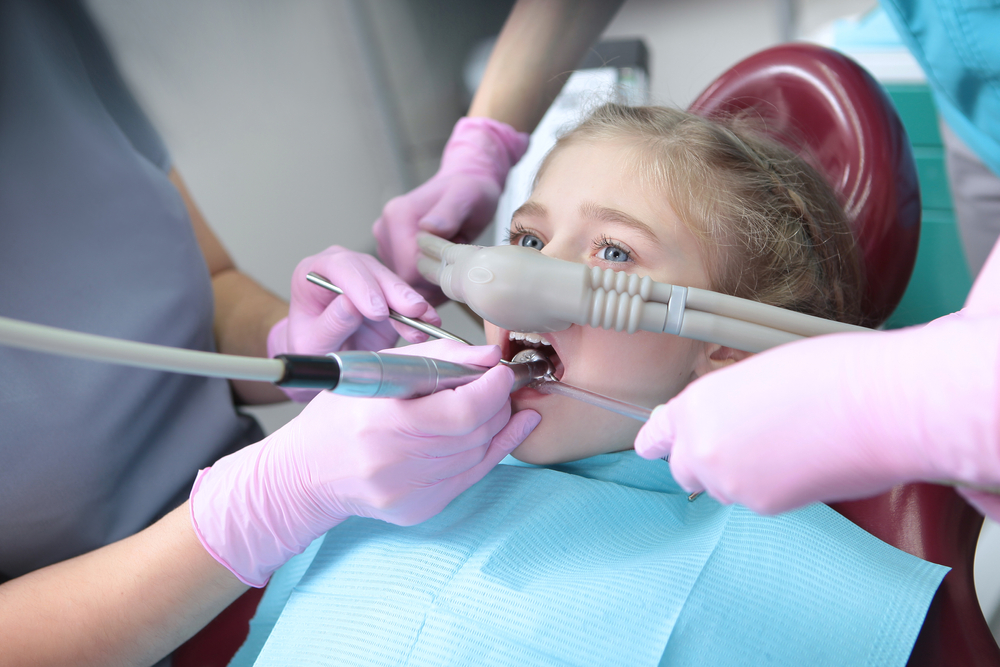
Nitrous oxide is a mild sedative inhaled through a mask placed over the nose. It works quickly, usually within minutes, to produce a calming effect without putting the patient to sleep completely. Many patients describe the sensation as light-headedness or floating, accompanied by reduced anxiety. The level of sedation can often be adjusted during the procedure, allowing dental professionals to tailor the experience to each patient’s needs. One key advantage of nitrous oxide is its rapid onset and equally fast recovery. Once the mask is removed, the effects wear off almost immediately, allowing patients to resume normal activities without the need for a driver or extended recovery time.
Nitrous oxide is particularly beneficial for patients with mild to moderate dental anxiety, sensitive gag reflexes, or difficulty sitting still for extended periods. Its effects are generally predictable and controllable, making it a safe option for a wide range of patients. However, individuals with certain respiratory conditions or specific medical concerns may require alternative sedation methods, as nitrous oxide can affect oxygen levels temporarily. Additionally, because it is inhaled continuously, it requires patient cooperation during the procedure, which may not be suitable for very young children or those with severe anxiety.
Exploring Oral Sedation
Oral sedation involves taking a prescribed medication, usually in pill form, prior to the dental appointment. These medications, often benzodiazepines, induce relaxation and reduce anxiety, making dental procedures more manageable for anxious patients. The sedative effect of oral medication is generally stronger than nitrous oxide and can produce a deeper sense of calm, sometimes leading to partial or complete amnesia of the procedure. Unlike nitrous oxide, oral sedation takes longer to take effect, typically 30 minutes to an hour, and its duration can last several hours.
One of the advantages of oral sedation is its convenience and ease of administration. It is particularly effective for patients who experience significant dental anxiety or those undergoing longer, more invasive procedures. However, because oral sedatives have lingering effects, patients are required to arrange for transportation to and from the dental office. Additionally, the dosage must be carefully determined based on the patient’s weight, age, and medical history to avoid over-sedation. Oral sedation also carries more pronounced risks of side effects such as drowsiness, dizziness, or, in rare cases, respiratory complications, making proper medical oversight essential.
Comparing the Two Approaches
When deciding between nitrous oxide and oral sedation, several factors should be considered. The speed of onset and recovery is a key difference: nitrous oxide works almost immediately and wears off quickly, whereas oral sedation requires planning and a longer recovery period. Depth of sedation is another consideration; nitrous oxide typically provides mild relaxation, while oral sedation can create a more profound sense of calm and amnesia of the procedure.
Patient-specific factors also influence the choice of sedation. Nitrous oxide may be preferable for patients seeking quick recovery or those with milder anxiety, while oral sedation may be more suitable for individuals with severe anxiety or phobia-related responses. Additionally, medical conditions, age, and potential drug interactions must be evaluated by a healthcare professional to ensure safety and effectiveness.
Key Differences at a Glance:
- Nitrous oxide: inhaled, rapid onset, quick recovery, mild sedation
- Oral sedation: oral medication, slower onset, longer recovery, deeper sedation
- Medical considerations and patient comfort guide choice
Choosing the right sedation method depends on your level of anxiety, the complexity of the procedure, and your personal health profile. Understanding the distinctions between nitrous oxide and oral sedation empowers patients to have informed conversations with their dental professionals and plan for a smoother, less stressful dental experience.
At Holmdel Periodontics & Implant Dentistry in Holmdel, NJ, educating patients about their sedation options ensures that individuals feel confident and comfortable before, during, and after dental procedures. Both nitrous oxide and oral sedation have unique advantages and considerations, and knowing these differences is the first step in making the best choice for your oral health.
Resources
- American Dental Association. (2020). Nitrous Oxide Sedation for Dental Procedures. Journal of the American Dental Association.
- Malamed, S. F. (2019). Sedation: A Guide to Patient Management. Elsevier Health Sciences.
- Dionne, R. A., & Yagiela, J. A. (2018). Pharmacologic Approaches to Anxiety Management in Dentistry. Dental Clinics of North America.