

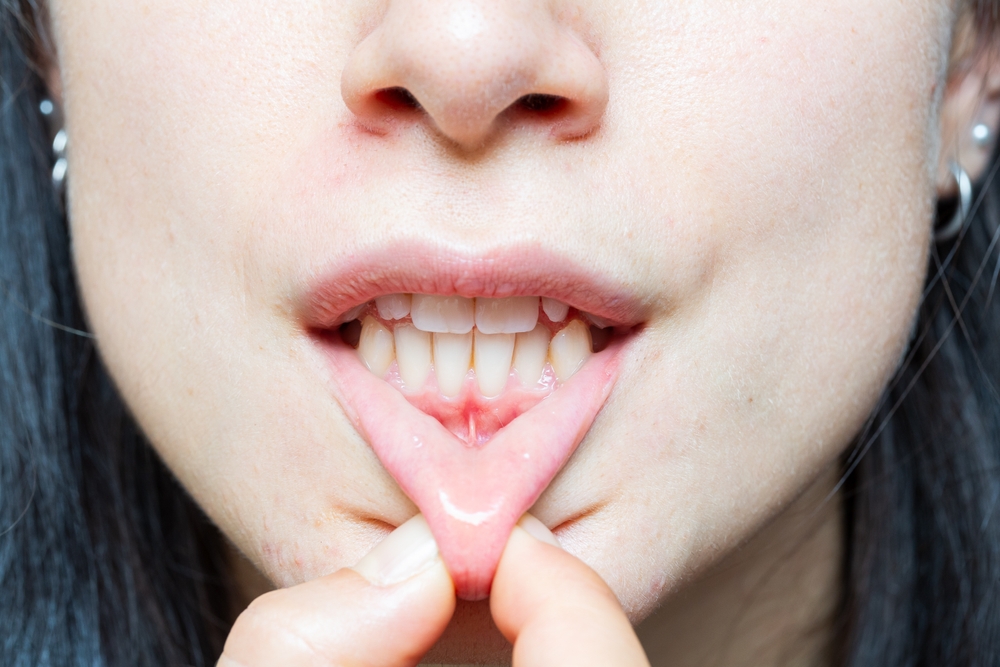
Gum recession is a common dental concern that can affect individuals of all ages, often without immediate pain, making early detection essential. At Holmdel Periodontics & Implant Dentistry in Holmdel, NJ, understanding the causes, warning signs, and available treatment options for gum recession can help patients maintain both oral health and overall well-being. Gum recession occurs when the gum tissue surrounding the teeth wears away or pulls back, exposing more of the tooth or its root. Over time, this can lead to increased sensitivity, a higher risk of tooth decay, and even bone loss if left unaddressed.
Causes of Gum Recession
Several factors can contribute to gum recession, ranging from daily habits to underlying medical conditions. One of the most common causes is periodontal disease, an infection of the gums and supporting structures of the teeth. Bacterial buildup from plaque and tartar can trigger inflammation, damaging the gum tissue and causing it to recede. Genetics also play a role, as some individuals are naturally more susceptible to gum recession even with proper oral hygiene.
Other causes include aggressive tooth brushing, which can wear down the gum tissue over time, and misaligned teeth that place uneven pressure on certain areas of the gums. Lifestyle factors such as tobacco use or bruxism, the chronic grinding or clenching of teeth, can accelerate the recession process. Additionally, hormonal changes, particularly in women during pregnancy or menopause, may increase gum sensitivity and vulnerability to recession. Understanding these contributing factors is crucial for prevention and early intervention.
Recognizing Symptoms of Gum Recession
Early detection of gum recession can prevent more serious dental complications. One of the first noticeable signs is increased tooth sensitivity, especially to hot, cold, or sweet stimuli, caused by the exposure of the tooth root. Visually, patients may notice that teeth appear longer than usual or that there are gaps between the teeth and gums. Discomfort, redness, or swelling around the gum line can also indicate the beginning stages of recession.
If left untreated, gum recession can lead to more severe consequences, including root decay, bone loss, and tooth mobility. Patients may also experience bad breath or a persistent bad taste in the mouth due to bacterial accumulation in the exposed areas. Routine dental checkups are essential for identifying subtle changes in gum health before symptoms become pronounced, allowing for proactive management.
Treatment Options for Gum Recession
Treatment for gum recession depends on the severity and underlying cause. In mild cases, improved oral hygiene practices, including proper brushing and flossing techniques, can help slow further progression. Dental professionals may also recommend desensitizing toothpaste or topical fluoride to protect exposed roots and reduce sensitivity. Lifestyle modifications, such as quitting tobacco or managing teeth grinding with a night guard, can also contribute to maintaining gum health.
More advanced cases of gum recession may require professional intervention. Procedures such as scaling and root planing clean below the gum line to remove bacterial buildup, while surgical options like gum grafts can restore lost tissue and protect the tooth root. Choosing the appropriate treatment depends on individual risk factors, the extent of tissue loss, and the patient’s overall oral health.
Key Points to Remember:
- Causes include periodontal disease, aggressive brushing, misaligned teeth, and lifestyle factors
- Symptoms can include tooth sensitivity, visibly longer teeth, and gum inflammation
- Treatment ranges from improved hygiene to professional procedures like gum grafts
Understanding gum recession is essential for long-term oral health, and early awareness can prevent significant complications. At Holmdel Periodontics & Implant Dentistry in Holmdel, NJ, educating patients about the causes, symptoms, and treatment options empowers them to take proactive steps toward maintaining healthy gums and teeth.
Resources
- Pihlstrom, B. L., Michalowicz, B. S., & Johnson, N. W. (2005). Periodontal diseases. The Lancet.
- American Academy of Periodontology. (2020). Gum Recession and Treatment. Journal of Periodontology.
- Newman, M. G., Takei, H., Klokkevold, P. R., & Carranza, F. A. (2019). Carranza’s Clinical Periodontology. Elsevier.