

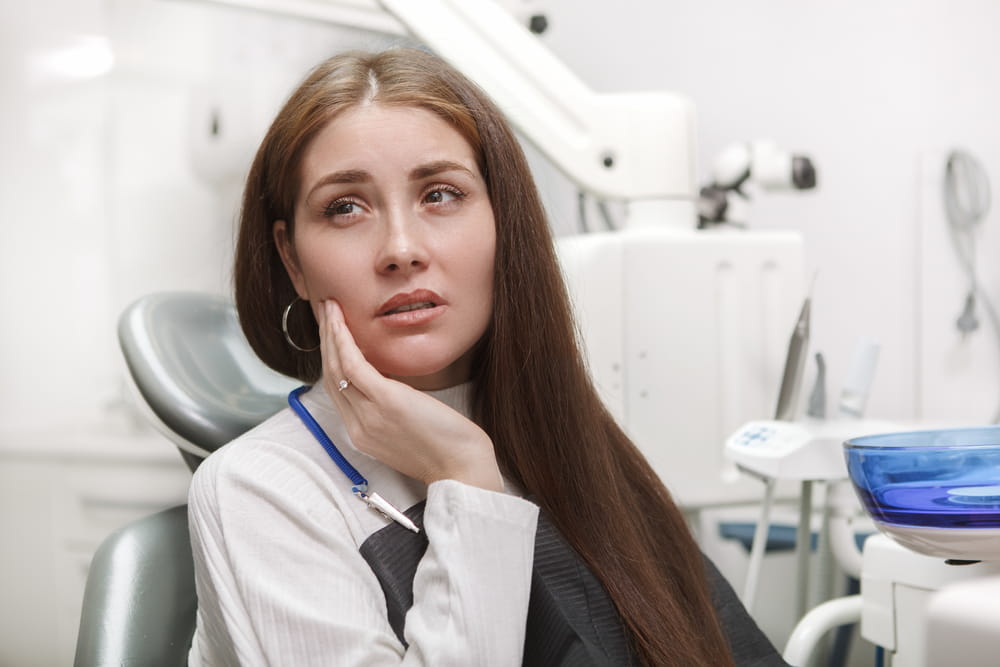
Dental implants are designed to be a long-lasting solution for missing teeth, but like any surgical procedure, complications can sometimes occur. At Holmdel Periodontics & Implant Dentistry in Holmdel, NJ, it’s important for patients to understand what constitutes a dental implant emergency and how to respond appropriately. Common implant emergencies include sudden pain, implant mobility, infection, or damage to surrounding tissues. Recognizing these warning signs early can prevent more serious complications and support successful implant longevity.
While most dental implants heal without incident, certain factors can increase the risk of complications, including untreated gum disease, poor oral hygiene, or trauma to the mouth. Even after procedures like All-on-4 dental implants, which replace multiple teeth at once, it’s crucial for patients to monitor their oral health closely and seek prompt care if any unusual symptoms develop. Immediate attention can prevent issues such as peri-implantitis or implant failure, which can compromise the success of the restoration.
Understanding the difference between normal post-surgical discomfort and an actual emergency is also key. Mild soreness and swelling are expected after procedures like bone grafting or tooth extractions, but severe pain, bleeding, or sudden implant movement should be treated as urgent situations. Knowing how to respond quickly can make a significant difference in both comfort and treatment outcomes.
Immediate Steps to Take When an Issue Arises
If a dental implant problem occurs, taking swift and appropriate action is critical. First, contact your periodontist immediately to describe the symptoms. Many dental offices, including practices in Holmdel, NJ, provide emergency dental care instructions to help manage pain, bleeding, or swelling before the patient arrives. Avoid attempting to remove or adjust the implant yourself, as this can worsen the issue and cause permanent damage.
In the meantime, patients can take practical steps to minimize discomfort and prevent infection:
- Rinse gently with a warm saltwater solution to keep the area clean.
- Apply ice to reduce swelling if trauma has occurred.
- Use only recommended over-the-counter pain medications, avoiding anything that might interfere with healing.
- Keep pressure and irritation to the site to a minimum by avoiding hard or sticky foods.
For complications following advanced procedures like LAPIP® laser implant treatment or LANAP® laser gum treatment, monitoring the surgical site for unusual bleeding, pus, or swelling is particularly important. Rapid intervention can prevent minor issues from developing into serious complications that may require additional surgeries or grafting procedures.
Common Implant Complications and How to Recognize Them
Awareness of potential complications helps patients act quickly. Some of the most common issues include:
- Infection: Swelling, redness, warmth, or discharge around the implant site.
- Implant Mobility: Any movement of the implant indicates it may not have integrated properly with the jawbone.
- Nerve or Tissue Damage: Persistent numbness, tingling, or unusual pain may signal nerve involvement.
- Peri-implantitis: Inflammation of the surrounding gums, often linked to untreated gum disease, which can jeopardize implant stability.
Understanding these signs is essential for patients with implants, particularly those who have undergone more complex treatments like All-on-4 dental implants or S.M.A.R.T. bone grafting, where multiple surgical sites may be involved. Prompt evaluation by a periodontist can ensure that corrective measures, such as professional cleaning, antibiotic therapy, or minor surgical intervention, are implemented before serious damage occurs.
Preventive Care to Minimize Emergencies
Prevention is always better than emergency care. Maintaining excellent oral hygiene and attending regular follow-up visits can significantly reduce the likelihood of implant complications. Patients should brush and floss around implants daily and use any specialized tools recommended for cleaning around prosthetics. Routine check-ups allow the periodontist to monitor healing and detect early signs of issues like gum recession or peri-implant inflammation.
Additionally, managing risk factors such as untreated gum disease or bruxism (teeth grinding) can prevent stress on implants. Lifestyle choices, including diet and avoiding smoking, also play a critical role in implant success. For patients who have undergone All-on-4 dental implants or bone augmentation procedures, adhering to post-operative care instructions is essential for long-term implant stability and avoiding the need for emergency interventions.
By staying proactive, patients in Holmdel, NJ, can minimize the chance of encountering an implant emergency, while also knowing exactly what to do if an unexpected issue arises. Understanding emergency protocols, combined with preventive care, ensures that dental implants remain a safe and reliable solution for restoring function and confidence.
Holmdel Periodontics & Implant Dentistry emphasizes patient education and preparedness so that any dental implant concerns are addressed quickly and effectively, helping to protect both oral health and overall well-being.
Resources:
Smith, L., & Jones, R. (2018). Emergency Management of Dental Implants. Journal of Oral Health.
Anderson, P. (2020). Complications and Early Intervention in Dental Implant Surgery. International Journal of Periodontics & Restorative Dentistry.
Wilson, M., & Carter, J. (2017). Preventive Care to Reduce Dental Implant Emergencies. Clinical Implant Dentistry and Related Research.