

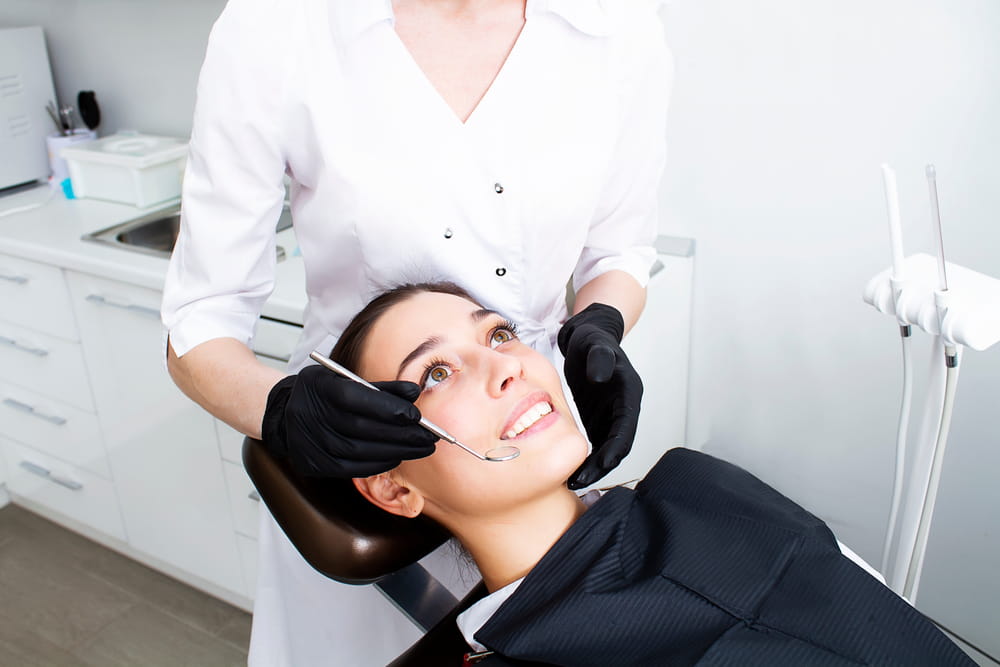
Orthodontic treatment has transformed countless smiles, but many patients in Holmdel, NJ, may not realize how moving teeth can affect the surrounding gum tissue. At Holmdel Periodontics & Implant Dentistry, Dr. Wayne Aldredge emphasizes the importance of maintaining gum health during and after orthodontic procedures. While braces or clear aligners can straighten teeth and improve bite function, the forces applied to teeth can also influence the gums, sometimes contributing to gum recession.
Gum recession occurs when the gum tissue pulls back from the tooth, exposing the root surface. Several factors can increase the likelihood of recession during orthodontics, including the direction of tooth movement, the thickness of the gum tissue, and pre-existing conditions like periodontal disease. For patients with thin or fragile gums, aggressive tooth movement may heighten the risk of recession, making preventive care and monitoring critical throughout orthodontic treatment.
Understanding this connection allows patients to take proactive steps to protect their oral health. Regular dental visits and periodontal assessments can help identify early signs of gum recession. For individuals already showing signs of gum tissue loss, procedures such as Gum Recession & Gum Shaping or Pinhole® Gum Rejuvenation may be considered to restore gum tissue and improve overall gum health.
How Orthodontic Forces Influence Gum Tissue
When teeth are moved through orthodontic treatment, the surrounding bone and soft tissue undergo remodeling. This process is essential for proper alignment but can sometimes cause stress to the gums. Excessive or rapid movement may cause the gum margin to recede, particularly in areas where the bone support is thin. Understanding the biology of tooth movement and the limitations of the surrounding tissues is crucial for minimizing risks.
Patients with pre-existing Gum Disease or inflammation are at higher risk for complications. Gum inflammation weakens the tissue’s attachment to teeth, making it more susceptible to recession during orthodontic adjustments. Therefore, addressing periodontal health before and during orthodontic treatment is essential to achieving long-term success and preventing unwanted tissue loss.
Moreover, patients using modern orthodontic appliances, such as clear aligners, may still experience recession if oral hygiene is not meticulously maintained. Proper cleaning around brackets, wires, and aligners is critical, as plaque accumulation can exacerbate gum issues and compromise the stability of teeth after alignment.
Preventive Measures and Post-Orthodontic Care
Preventing gum recession begins with assessing the patient’s baseline gum health. Orthodontists and periodontists often collaborate to evaluate gum thickness, bone support, and tissue health. In some cases, patients may benefit from Laser Dentistry or LANAP® Laser Gum Treatment before initiating orthodontics to reduce inflammation and strengthen the gums.
During treatment, careful monitoring and controlled tooth movement help minimize stress on the gingival margin. After orthodontics, maintaining gum health through consistent oral hygiene and regular periodontal checkups is critical. If recession occurs, minimally invasive procedures like Pinhole® Gum Rejuvenation or grafting techniques can restore tissue without the need for extensive surgery. In addition, bone preservation procedures such as Bone (Hard Tissue) Grafting may be considered when teeth have been moved significantly, providing long-term support for the gums and teeth.
Patients should also be educated about lifestyle habits that support healthy gums, such as proper brushing, flossing, and avoiding tobacco. A proactive approach combining careful orthodontic planning with strong periodontal care is the best way to protect the gums while achieving the desired alignment.
Conclusion
Orthodontic treatment offers life-changing benefits for dental alignment and overall oral function, but it is not without risks for gum health. Understanding the relationship between tooth movement and gum tissue is essential for preventing recession and maintaining a healthy smile. Residents of Holmdel, NJ, can benefit from thoughtful, coordinated care that considers both orthodontic outcomes and gum preservation. By staying informed and monitoring gum health, patients can enjoy a straight, beautiful smile without compromising the integrity of their periodontal tissues. Holmdel Periodontics & Implant Dentistry is committed to educating patients on these important connections and supporting long-term oral health.
Resources
McGuire, M. K. (2003). Periodontal Plastic Surgery for the Treatment of Localized Gingival Recession: Advanced Techniques for Predictable Outcomes. Journal of Periodontology.
Sfondrini, M. F., et al. (2010). Influence of Orthodontic Treatment on Periodontal Health. Progress in Orthodontics.
Chambrone, L., & Tatakis, D. N. (2009). Periodontal Soft Tissue Root Coverage Procedures: A Systematic Review. Journal of Clinical Periodontology.