


The American Heart Association says yes. February is American Heart Month, dedicated
to keeping Americans heart-healthy. This year is Association is shining a light on the
connection between periodontal (gum) disease and cardiovascular disease including
coronary artery disease, heart attack, stroke and other critical medical conditions.
How Can My Mouth Affect My Body?
Periodontal disease is a chronic inflammatory disease of the gums which can have a
dangerous effect on the entire body. It produces bacteria that can cause thickening and
hardening of blood vessel walls, reducing blood flow to the heart and brain.
Periodontal disease begins with gingivitis, an inflammation of the gums that occurs
when dental plaque is allowed to remain on the tooth surface. There may be redness or
bleeding. The plaque irritates the gums, creating a pocket between gums and teeth
where bacteria can grow. Left untreated, the disease progresses to periodontitis. The
pocket deepens, bacteria flourish and gums pull away from the teeth.
The oral bacteria produced by periodontitis can enter the bloodstream, spreading toxic
microbes and inflammation that contribute to arterial plaque formation on the walls of
the blood vessels.
This buildup of plaque leads to atherosclerotic cardiovascular disease (ASCVD). ASCVD
causes all chronic conditions resulting from the narrowing of blood vessels and
reduction of blood flow.
According to the American Heart Association. ASCVD is the most common cause of
death globally. In the United States heart disease and stroke, both caused by ASCVD,
account for more deaths each year than cancer and chronic respiratory disease (COPD,
asthma, pulmonary hypertension) combined.
Critical Health Conditions Caused by ASCVD
Blood clots – Plaque on the artery wall breaks off and blocks the flow of blood
Coronary Artery Disease – Narrow arteries restrict blood flow to the heart
- Heart attack
- Angina
- Ischemic heart disease (weakened heart)
- Heart failure
- Blood clots
Cerebrovascular disease – Narrow arteries restrict blood flow to the brain
- Transient ischemic attack- “mini-stroke” from temporary blockage
- of blood to brain.
- Stroke – Full blockage of blood to brain.
- Aneurysm – Plaque buildup weakens the artery wall, stretching it out of shape. Occurs anywhere in the body.
- Ruptured blood vessels
- Torn blood vessels
- Clot formation
- Embolism
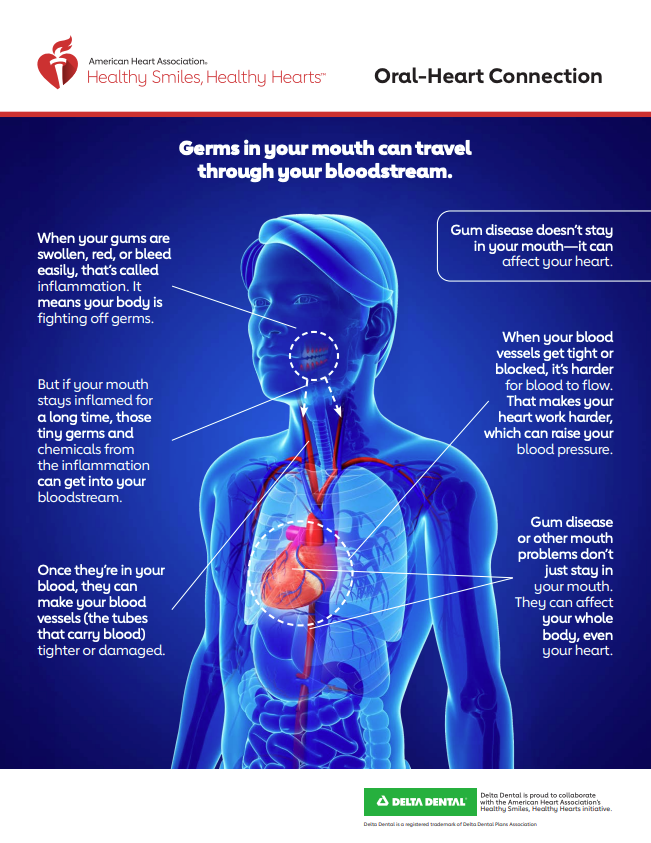
Studies have proven that periodontal disease increases the risk of heart disease, which is why the American Heart Association has published an educational guideline.
The best advice to lower this risk is to prevent plaque from taking up residency on teeth in the first place. Brush twice a day, floss daily, and if you have symptomatic red, irritated or bleeding gums, schedule an appointment with a periodontist. Periodontists are highly trained gum treatment specialists who will detect and treat gingivitis and periodontitis, ridding your mouth of the damaging bacteria and inflammation.
As the American Heart Association reminds us, Gum Disease Doesn’t Stay in Your Mouth, it Affects Your Heart.