

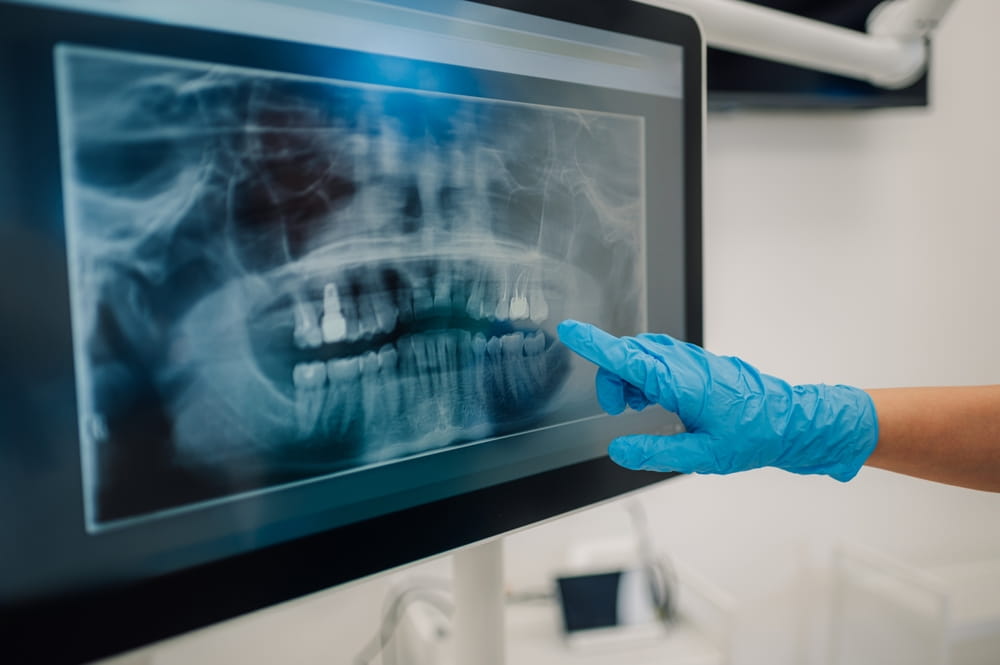
Dental implants have become a cornerstone of modern restorative dentistry, providing durable solutions for missing teeth. In Holmdel, NJ, digital imaging plays a crucial role in ensuring implants are placed safely and effectively. At Holmdel Periodontics & Implant Dentistry, Dr. Wayne Aldredge emphasizes the importance of precise imaging technology to evaluate bone structure, nerve location, and surrounding tissues before implant surgery.
Traditional imaging methods, such as 2D X-rays, offer limited information about the three-dimensional anatomy of the jaw. Digital imaging technologies, including cone beam computed tomography (CBCT), allow clinicians to view the jaw in full detail, enabling accurate assessment of bone volume and density. This ensures proper planning for Dental Implants or advanced options like All-on-4 Dental Implants, minimizing the risk of complications and improving long-term success.
With these tools, clinicians can virtually simulate implant placement, determining optimal angles, depth, and spacing. This reduces the likelihood of damaging nerves, sinus cavities, or adjacent teeth. For patients with significant bone loss, digital imaging helps evaluate the need for procedures like Bone (Hard Tissue) Grafting or S.M.A.R.T. Bone Grafting before implant placement, ensuring a stable foundation for long-term oral health.
Precision and Predictability in Implant Placement
Digital imaging provides a roadmap for precise and predictable dental implant surgery. By using 3D scans, clinicians can create customized surgical guides that indicate the exact placement of implants. This accuracy reduces the risk of misalignment, uneven bite distribution, or implant failure. It also supports minimally invasive procedures, helping preserve gum tissue and reduce recovery time.
For patients undergoing complex treatments, such as All-on-4 Dental Implants, digital imaging is essential for planning the angulation of multiple implants in limited bone volume. It allows clinicians to evaluate which teeth can be restored efficiently while maintaining proper aesthetics and function. Digital imaging also aids in assessing areas affected by previous Tooth Extractions, ensuring the bone has healed sufficiently for successful implant integration.
Additionally, patients with existing periodontal concerns, such as those requiring LANAP® Laser Gum Treatment, benefit from digital imaging by allowing clinicians to evaluate both soft and hard tissues. This comprehensive understanding enables a more holistic treatment approach that safeguards gum health while optimizing implant outcomes.
Benefits for Patients and Clinicians
The advantages of digital imaging extend beyond surgical accuracy. Patients gain a clearer understanding of their treatment through visual representations of their anatomy and proposed implant positions. This transparency fosters confidence and allows informed decisions about procedures. For clinicians, digital imaging improves workflow efficiency by reducing the need for exploratory surgery and multiple adjustments during placement.
Digital planning also facilitates advanced procedures, such as LAPIP® Laser Procedure for implant preservation or managing post-implant complications. Surgeons can quickly identify potential risks and tailor interventions accordingly, enhancing the longevity of implants and the health of surrounding tissues. Furthermore, for patients considering full-mouth restoration, digital imaging ensures that complex treatments are coordinated safely and efficiently, integrating bone grafting, implant placement, and soft tissue management for optimal outcomes.
Conclusion
Digital imaging has revolutionized dental implant planning and placement by offering unparalleled precision, predictability, and safety. By providing detailed insights into bone and tissue anatomy, these technologies allow clinicians in Holmdel, NJ, to create customized, patient-specific treatment plans that maximize implant success. For patients seeking long-lasting solutions for missing teeth, digital imaging ensures that implants are placed accurately while protecting the surrounding structures. Holmdel Periodontics & Implant Dentistry remains dedicated to leveraging advanced imaging tools to support the best possible outcomes for every patient.
Resources
Mangano, F., et al. (2017). Digital vs. Conventional Implant Planning: Accuracy and Outcomes. Journal of Oral & Maxillofacial Surgery.
Schneider, D., et al. (2009). Cone-Beam Computed Tomography in Implant Dentistry: A Systematic Review. Clinical Oral Implants Research.
Widmann, G., & Bale, R. (2006). Accuracy in Computer-Assisted Implant Surgery: A Review. International Journal of Oral & Maxillofacial Implants.